
The Digital Transformation of the Global Retail Industry: A Revolution in Shopping
Introduction
The retail industry is changing quickly as it adopts digital technologies. These changes are affecting how consumers shop and how businesses operate. Today, e-commerce, artificial intelligence, and data analytics combine to reshape retail worldwide. This digital shift is changing how products are sold, what customers expect, and what shopping feels like.
E-Commerce’s Dominance
One clear trend in retail today is the growth of e-commerce. Online shopping is now a key part of how consumers buy products, offering convenience, a wide range of choices, and easy access. The rise of smartphones and fast internet has sped up this change, allowing people to browse and buy with just a few taps on their screens.
Global e-commerce companies like Amazon, Alibaba, and Flipkart have changed how we shop online. They have improved product delivery and set high customer service and personalization standards. Their success has encouraged traditional retailers to use digital channels. As a result, brick-and-mortar stores and online marketplaces now exist together.
Personalization and Data Analytics
Data is the new currency in the digital age, and retailers are leveraging it to enhance customer experiences. Advanced data analytics and machine learning algorithms enable retailers to gather insights into consumer behavior, preferences, and purchasing patterns. Armed with this information, they can create personalized shopping experiences, recommend products tailored to individual preferences, and implement targeted marketing campaigns.
When customers shop online or in-store, retailers can look at their browsing history, purchase history, and demographics to offer personalized recommendations. This personalization boosts customer satisfaction and encourages repeat business.
Augmented Reality (AR) and Virtual Reality (VR)
Augmented reality (AR) and virtual reality (VR) are changing online shopping. These technologies let customers try on products virtually, helping them see how items will look before they buy.
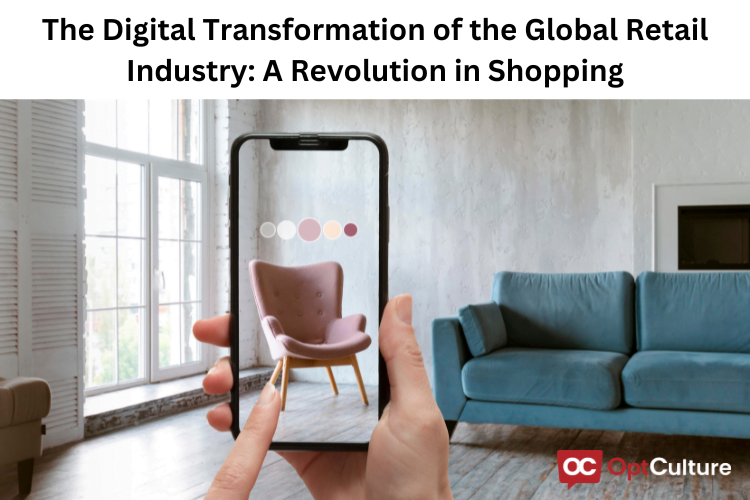
For example, furniture stores use AR to show how furniture will fit in a customer’s home. Fashion brands have virtual fitting rooms where customers can try on clothes and accessories online. These experiences improve online shopping and help reduce returns since customers better know what they will get.
Omnichannel Retailing
Omnichannel retailing is becoming more critical as retailers aim to create a smooth shopping experience across online and physical stores. Today, consumers expect consistency when shopping on a website, using a mobile app, or visiting a store.
To meet these expectations, retailers invest in technologies connecting online and offline shopping. For example, click-and-collect services let customers order online and pick up their items at a nearby store. This option appeals to shoppers who appreciate the convenience of online shopping while still wanting a local store presence that builds brand loyalty.
Supply Chain Innovation
Digital transformation is changing not just how customers interact with retail, but also how supply chains operate. Technologies like the Internet of Things (IoT), blockchain, and advanced analytics are improving supply chain processes, making them more efficient and cost-effective.
IoT sensors can be placed in products and packaging to show where goods are in real time. This helps stores manage their inventory better and allows them to verify the authenticity and track the history of products using blockchain technology. This creates a more transparent and more responsible supply chain that is beneficial for both retailers and customers.
Conclusion
The retail industry is changing rapidly due to digital advancements. E-commerce is leading the way, along with personalized shopping experiences, augmented and virtual reality technology, and new supply chain methods. Together, these trends are transforming how people shop.
As retailers adapt to these changes, the future looks promising. New technologies like artificial intelligence, voice shopping, and fast internet are set to change the retail landscape further, giving consumers more convenience and choices.
In today’s world, a retailer’s success depends on its ability to innovate and use technology to meet consumers’ changing needs. The retail industry is experiencing a digital transformation, and those who embrace these changes will thrive in this new shopping era.