
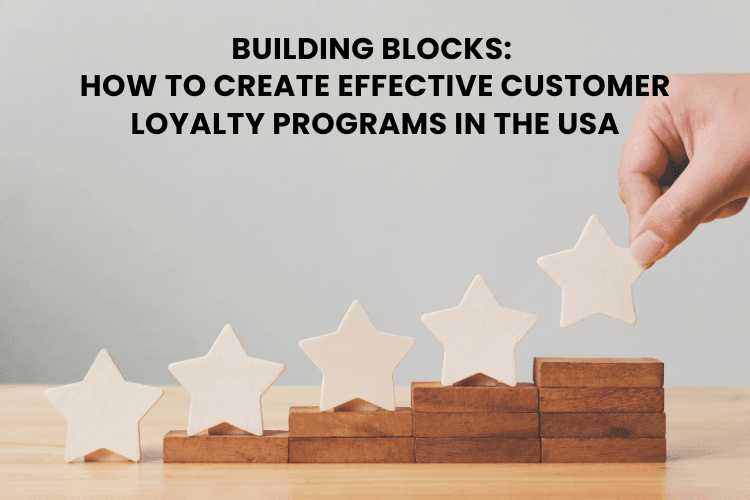
Building Blocks: How to Create Effective Customer Loyalty Programs in the USA
Creating an effective customer loyalty program is crucial for businesses. This is particularly important when aiming to enhance customer retention, increase engagement, and drive sales growth in the competitive U.S. market. Such programs reward repeat customers and gather vital consumer data that can help refine marketing strategies and improve overall customer satisfaction.
Here are the essential steps for developing a successful customer loyalty program in the USA.
1. Clearly Define Your Goals
Before starting a loyalty program, clearly define your goals. Consider whether you want to encourage customers to buy more often, increase their average spending, or improve their overall value to your business. Setting specific and measurable goals ensures that the loyalty program supports your business objectives and helps you track its success.
2. Understand Your Audience
Understanding your target audience is essential. Do market research to learn what your customers want, need, and how they shop. This information will help you create a loyalty program that appeals to them and offers rewards and benefits they value. For example, a loyalty program for a boutique might include exclusive experiences, while a grocery store might find discount rewards more effective.
3. Choose the Right Type of Program
There are different types of loyalty programs, each with its own benefits. Points-based programs are simple. They encourage customers to make repeat purchases by letting them collect points, which they can use to get rewards.
- Tier-based programs create a sense of exclusivity and achievement, offering greater rewards as customers reach higher levels.
- Subscription programs provide continuous benefits for a regular fee, which can generate steady revenue and deepen customer engagement.
- Value-based programs focus on shared values, contributing a portion of purchases to charitable causes, which can resonate deeply with customers motivated by social responsibility.
4. Utilize the Right Technology
Choosing the right technology platform is important for managing a loyalty program effectively. Your platform should work well with your current POS and e-commerce systems. It should allow for easy signups and reward redemptions and include strong data analytics tools. In the U.S., digital tools and mobile access are key, as consumers look for convenient ways to engage with loyalty programs while on the go.
5. Create Appealing Rewards
Rewards are the main part of any loyalty program. They should be attractive and easy to earn. Offer short-term and long-term rewards to appeal to different customer groups. Special deals, exclusive member events, and personalized rewards can help your program stand out. The best rewards become more valuable as customers engage more and purchase more.
6. Promote Your Program Effectively
Clear communication is essential for your loyalty program to succeed. Use all available channels, such as email, social media, your website, and in-store sign-ins, to inform customers about the program and its benefits. Launch promotions and special events to engage them. Consider giving a signup bonus to encourage participation.
7. Train Your Team
Your staff should know how the loyalty program works and what benefits it offers. This knowledge helps them promote the program to customers. Regular training sessions keep all team members informed and ready to answer customers’ questions.
8. Monitor, Evaluate, and Adapt
Keep track of how well your loyalty program is performing and listen to customer feedback to make improvements. Look at the program data to understand what customers like and how they behave. This will help you improve the program over time. Be ready to change the program as market conditions or customer needs shift.
Conclusion
Building an effective customer loyalty program in the USA requires a strategic approach, focused on understanding customer needs, offering valuable rewards, and leveraging technology for seamless program management. By following these building blocks, businesses can create loyalty programs that foster lasting customer relationships and drive meaningful growth in the highly competitive American market.