
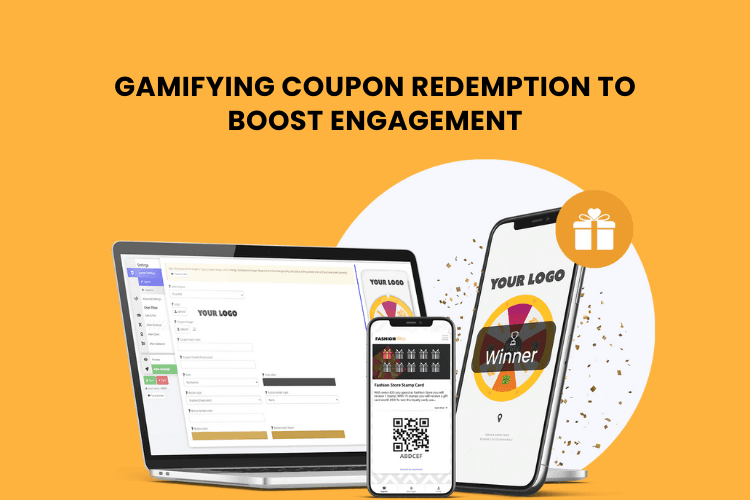
The Importance of Loyalty Benefits: How Discounts and Promo Codes Drive Customer Retention
Customer retention is more valuable than ever in an increasingly competitive retail landscape. It costs up to five times more to gain a new customer than to keep an existing one. Additionally, loyal customers usually spend more over time.
For retailers, loyalty programs are critical for fostering long-term relationships, driving repeat business, and enhancing customer engagement. While there are many ways to build customer loyalty, offering discounts and promo codes is one of the most effective strategies.
1. Building Strong Customer Relationships
Giving exclusive promo codes to loyalty members for occasions like birthdays or holidays, or as a reward for frequent purchases, shows that the brand appreciates their support. This personal touch helps customers feel understood, improving their overall shopping experience and increasing their brand loyalty.
2. Driving Repeat Purchases
For example, customers who earn points through purchases can redeem them for a discount on their next order. This rewards the customer for their loyalty and motivates them to continue making purchases to unlock further benefits. The more they shop, the more they save, a powerful motivator for repeat business.
3. Increasing Average Order Value (AOV)
Offering discounts and promo codes can encourage customers to spend more. Retailers often set a minimum amount to qualify for discounts, like “Spend $50 to get $10 off,” which leads customers to buy more items.
4. Personalizing the Shopping Experience
A retailer can send a personalized email with a promo code that offers a discount on a product a customer has looked at or added to their cart. This personalization helps customers feel that the brand understands them, making them more likely to use the discount and buy the product. Personalized discounts also boost engagement because customers are more likely to respond when the offer is relevant to their shopping habits.
5. Enhancing Customer Retention
For example, when stores provide exclusive discounts for members only, customers feel special. These exclusive offers build brand connection and loyalty. Also, offering rewards for reaching certain milestones motivates customers to keep returning to earn new benefits.
6. Encouraging Word-of-Mouth Marketing
Customers who feel rewarded and appreciated want to tell others about the brand. They especially like sharing when they know others can benefit from similar offers. Referral programs, where customers earn extra discounts for bringing in new customers, can increase this effect. This helps retailers grow their customer base while keeping their existing customers happy.
7.Competing in a Saturated Market
By incorporating discounts and promo codes into their loyalty program, retailers can stay competitive and ensure that customers remain engaged, even when faced with numerous alternatives.
8. Providing Valuable Customer Insights
Retailers can use this information to improve future promotions and create better, personalized marketing campaigns. They can also identify customers who might stop shopping and offer them special discounts to bring them back.
Conclusion
Discounts and promo codes are simple but powerful ways to attract customers back in a competitive retail market. Special offers drive repeat purchases and make the shopping experience feel more personal and rewarding.
When tied to loyalty programs, these discounts give retailers valuable insights that help them shape smarter marketing strategies. Used thoughtfully, they can build stronger customer relationships, boost sales, and support long-term brand growth.